
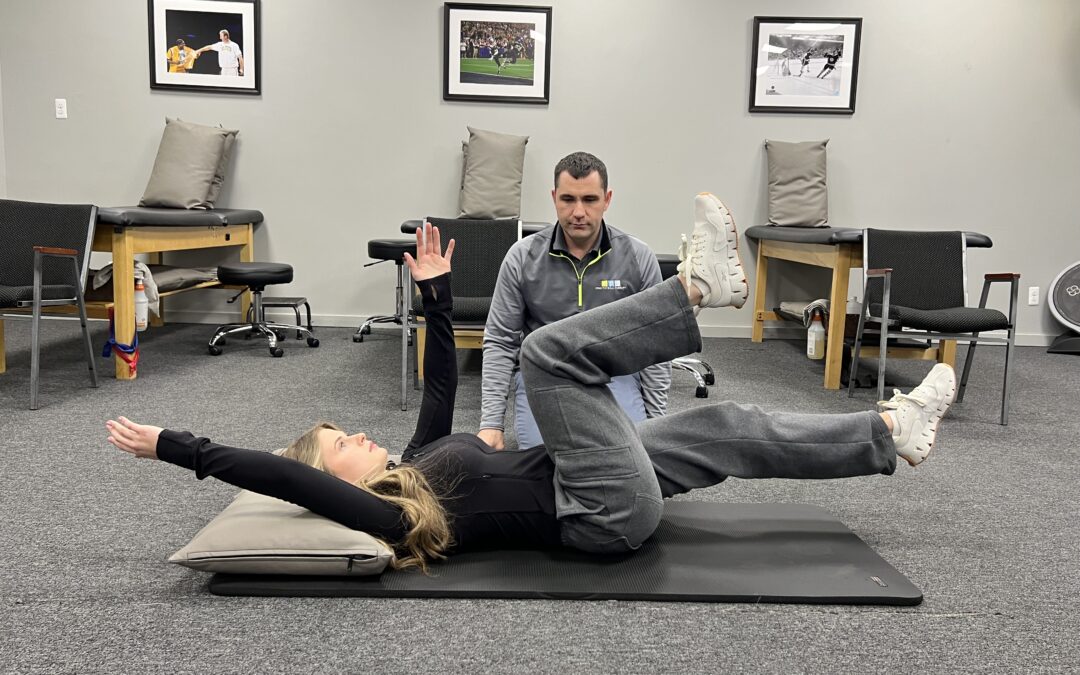
Why One-on-One Physical Therapy Matters
In today’s healthcare environment, there is a growing emphasis on productivity, efficiency, and access to care. These are all important considerations—but they can also shape how physical therapy is delivered, directly impacting patient outcomes.
One of the most meaningful distinctions between clinics is whether care is delivered one-on-one with a licensed Physical Therapist or divided across multiple patients at the same time.
At Cray Physical Therapy, we’ve intentionally built our model around one-on-one treatment sessions, and there are several reasons why this approach continues to matter.
More Thorough Evaluations
The first visit sets the foundation for everything that follows. A one-on-one setting allows the therapist to perform a more detailed evaluation, including movement analysis, strength testing, and a deeper understanding of the patient’s history and goals.
Without competing time demands, clinicians can take a more comprehensive approach—leading to a more accurate diagnosis and a clearer plan of care from the start.
Individualized Treatment Progression
No two patients recover at the same pace, even if they share the same diagnosis.
With one-on-one care, treatment plans can be adjusted in real time based on how the patient is responding that day. Exercises can be progressed (or modified), manual therapy can be applied more effectively, and subtle changes in movement patterns can be addressed immediately.
This level of responsiveness is difficult to achieve in higher-volume settings where attention is divided.
Stronger Patient–Clinician Connection
Physical therapy is not just about exercises—it’s about guidance, feedback, and trust.
When patients work directly with the same therapist throughout their plan of care, it creates a more consistent and collaborative experience. Patients are more likely to ask questions, stay engaged in their recovery, and follow through with recommendations outside the clinic.
That connection often plays a key role in long-term success.
Improved Focus and Efficiency During Visits
It may seem counterintuitive, but spending focused, uninterrupted time with a patient often leads to more efficient care overall.
Rather than splitting attention between multiple individuals, therapists can stay fully engaged—ensuring exercises are performed correctly, progressions are appropriate, and time in the clinic is used effectively.
A More Sustainable Approach for Clinicians
The structure of care doesn’t just affect patients—it also impacts the clinicians providing it.
One-on-one treatment models tend to create a more manageable and intentional work environment. Therapists have the ability to think critically, apply clinical reasoning, and deliver care without feeling rushed.
This ultimately supports better decision-making and consistency in treatment.
A Deliberate Choice in How Care Is Delivered
There is no single model that works for every clinic or every patient. However, the one-on-one approach remains a strong fit for practices that prioritize individualized care, clinical quality, and long-term outcomes.
At Cray Physical Therapy, this model aligns with how we believe care should be delivered across our locations in Braintree, Norwell, and Weymouth—focused, personalized, and centered around each patient’s unique needs.